
In recent years, inverter pool heat pumps have become the preferred heating equipment for more and more home and commercial swimming pools due to their high efficiency and energy saving. Compared with traditional swimming pool heating methods, inverter pool heat pumps keep the swimming pool water temperature within a comfortable range through precise temperature control and intelligent adjustment technology, while greatly reducing energy consumption and operating costs.
So, how does an inverter swimming pool heat pump work? Under what conditions will it start or stop working? This article will discuss these two core issues in detail.
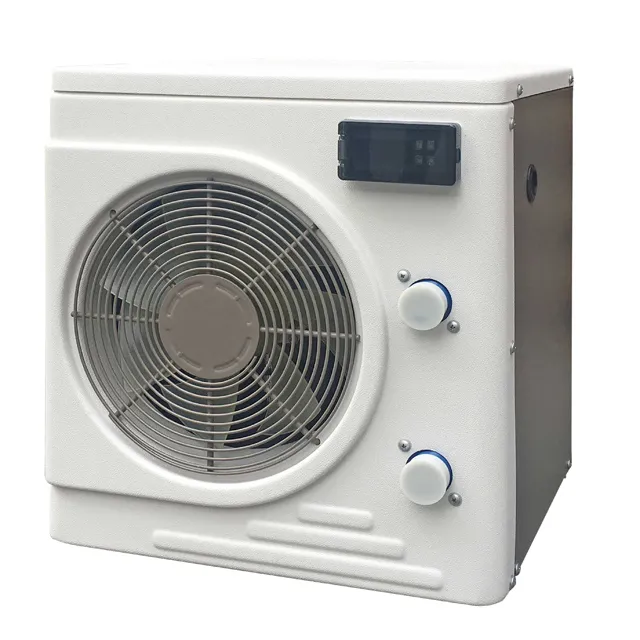
How does an inverter pool heat pump work?
The working principle of an inverter pool heat pump is similar to that of a traditional heat pump, which uses heat in the air to heat the swimming pool water. However, compared with traditional heat pumps, inverter pool heat pumps use variable frequency technology, which can intelligently adjust the operating state according to the temperature requirements of the swimming pool water, thereby achieving a more efficient and energy-saving heating effect.
1.1 Principle of air source heat pump
First of all, the basic working principle of the inverter swimming pool heat pump is to extract heat from the air through the air source heat pump system. The heat pump system works through four core components: compressor, evaporator, condenser and expansion valve.
● Evaporator: The coolant absorbs heat from the air in the evaporator and converts it into gas.
● Compressor: The gas is compressed by the compressor, and the temperature and pressure are significantly increased.
● Condenser: The high-temperature and high-pressure gas enters the condenser, releases heat and heats the swimming pool water.
● Expansion Valve: Finally, the high-temperature coolant passes through the expansion valve and the pressure is reduced, and it returns to the evaporator for circulation.
This process enables the heat in the air to be effectively transferred to the swimming pool water, thereby achieving a heating effect. In contrast, traditional swimming pool heating equipment such as electric heaters and gas heaters usually consume energy directly for heating, while the inverter swimming pool heat pump heats the water by utilizing natural resources (such as air heat), so it is more energy efficient.
1.2 Advantages of frequency conversion technology
Traditional heat pump systems usually run at a fixed speed. When the water temperature reaches the set value, the heat pump stops running; when the water temperature drops, it restarts, and the whole process repeats. The inverter pool heat pump uses frequency conversion technology, which can automatically adjust the operating speed according to the actual temperature requirements of the swimming pool water to avoid frequent startup and shutdown. Specifically, the inverter pool heat pump changes the workload of the heat pump by adjusting the speed of the compressor, thereby accurately controlling the heating effect. In this way, the heat pump is always in an efficient working state throughout the heating process, avoiding energy waste and extending the service life of the equipment.
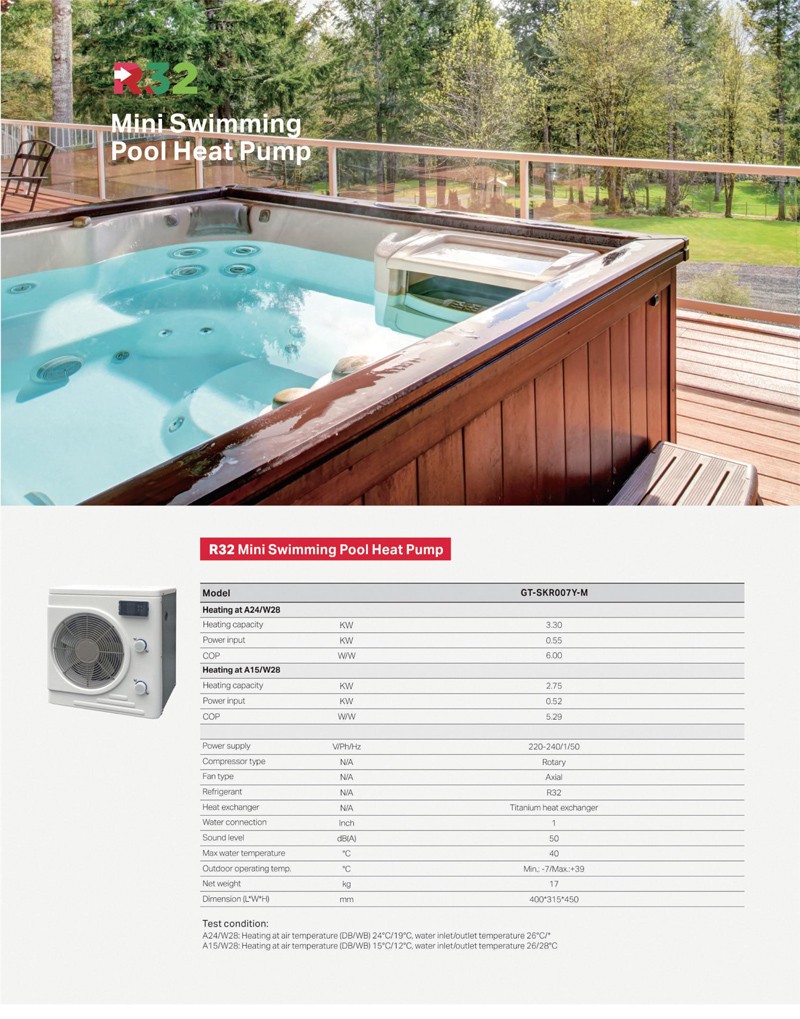
When will the inverter pool heat pump start or stop working?
The start and stop of the inverter pool heat pump is determined based on the temperature change of the swimming pool water and other related factors. Through the built-in intelligent control system, the heat pump can automatically start and stop without human intervention to ensure that the swimming pool water temperature always remains within the set range.
2.1 Startup conditions
The startup of the inverter swimming pool heat pump usually depends on the following factors:
● The pool water temperature is lower than the set temperature: When the pool water temperature is lower than the preset temperature (for example, 26℃), the inverter swimming pool heat pump will automatically start and start heating the water temperature. When the water temperature reaches the set value, the heat pump will gradually reduce the power or stop working.
● The external ambient temperature is suitable: The working efficiency of the heat pump is closely related to the external air temperature. Generally speaking, the inverter pool heat pump can operate efficiently when the air temperature is between 5℃ and 40℃. When the external temperature is too low, the heating efficiency of the heat pump will decrease. Therefore, some models of heat pumps will set a minimum operating temperature limit. If the air temperature is too low, the heat pump may not start, or an additional heating auxiliary system may be required to assist in operation.
● The temperature detector in the system detects a drop in water temperature: The temperature detector in the heat pump monitors the temperature of the pool water in real time. If the water temperature is lower than the preset temperature, the control system will send a start signal to activate the heat pump to start heating.
2.2 Stop conditions
When the inverter swimming pool heat pump starts working, it will continuously make intelligent adjustments according to the water temperature. Once the set temperature is reached, the inverter swimming pool heat pump will enter standby mode and stop heating.
● Water temperature reaches the set value: This is the most common condition for the heat pump to stop working. When the water temperature rises to the preset set temperature (for example, 28℃), the heat pump will automatically reduce the power until it stops running completely to avoid overheating.
● External ambient temperature is too low: As mentioned earlier, the inverter pool heat pump may not continue to work efficiently when the external temperature is too low. In this case, the system may automatically stop running or switch to a backup heating mode, such as an electric heater.
● System failure or abnormality: If the heat pump system fails, such as compressor damage, refrigerant leakage, or power problems, the system will automatically stop running and issue an alarm to prompt maintenance personnel to check.
2.3 Energy saving and intelligent adjustment
A significant advantage of the inverter pool heat pump is its energy saving effect. Compared with traditional heat pumps, the inverter swimming pool heat pump monitors and adjusts the speed of the compressor in real time, so that the heat pump system always runs at the most appropriate power, avoiding unnecessary energy waste. For example, when the water temperature is close to the set temperature, the heat pump will automatically reduce the speed and reduce the workload, which not only improves energy efficiency but also reduces equipment wear.
Intelligent adjustment technology enables the heat pump to flexibly adjust the operation mode according to the changes in the swimming pool water temperature, thereby achieving more precise and efficient heating control. When the water temperature is lower than the set value, the system will quickly start the heating function; when the water temperature is close to the set value, the heat pump will gradually reduce the power and eventually stop running to keep the water temperature stable within the ideal range.
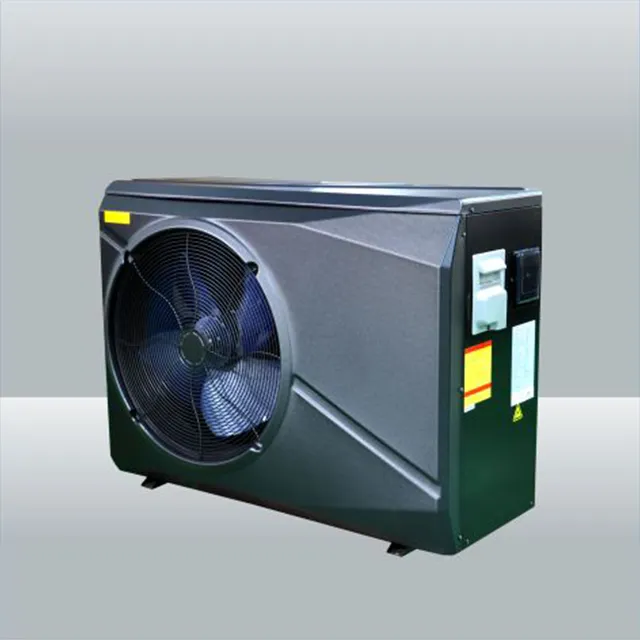
Application and market prospects of variable frequency swimming pool heat pumps
As people's demand for energy-saving, environmentally friendly and high-efficiency equipment continues to grow, the application prospects of inverter pool heat pumps in the field of swimming pool heating are broad. Especially in the context of climate change and energy shortages, traditional swimming pool heating methods are gradually being eliminated. Inverter swimming pool heat pumps are gradually becoming a new trend in the market as a more efficient and environmentally friendly option.
● Growing demand in the home market: With the popularity of home swimming pools, more and more families are beginning to pay attention to the heating methods of swimming pools. In particular, the demand for inverter swimming pool heat pumps is increasing in some high-end residential areas. Compared with traditional electric heating systems, inverter swimming pool heat pumps have higher energy efficiency and lower operating costs, making them an ideal choice for heating home swimming pools.
● Wide application of commercial swimming pools: In the field of commercial swimming pools, especially in hotels, resorts, fitness centers and other places, the use of inverter pool heat pumps has become a trend. Since these places need to keep the swimming pool water temperature stable for a long time, variable frequency swimming pool heat pumps have become the preferred equipment for these places due to their energy-saving and high-efficiency characteristics.
● Promoted by environmental protection and energy-saving policies: Globally, more and more countries and regions have begun to implement strict environmental protection and energy-saving policies, requiring the use of more efficient and environmentally friendly energy systems. Inverter swimming pool heat pumps, as an efficient heating device, are in line with this trend and are expected to occupy an increasingly important position in the global market.
