As an efficient and environmentally friendly heating device, swimming pool heat pumps have gradually become the mainstream choice for swimming pool heating. In the technical development of swimming pool heat pumps, inverter pool heat pumps are undoubtedly one of the most popular innovations in recent years. Compared with traditional non-inverter swimming pool heat pumps, inverter swimming pool heat pumps are leading the future development trend of swimming pool heat pumps with their significant energy-saving advantages, stability and comfort.
This article will analyze the differences between inverter swimming pool heat pumps and non-inverter swimming pool heat pumps to help consumers understand their respective characteristics, advantages and disadvantages, and how to choose the most suitable swimming pool heating solution according to their needs.
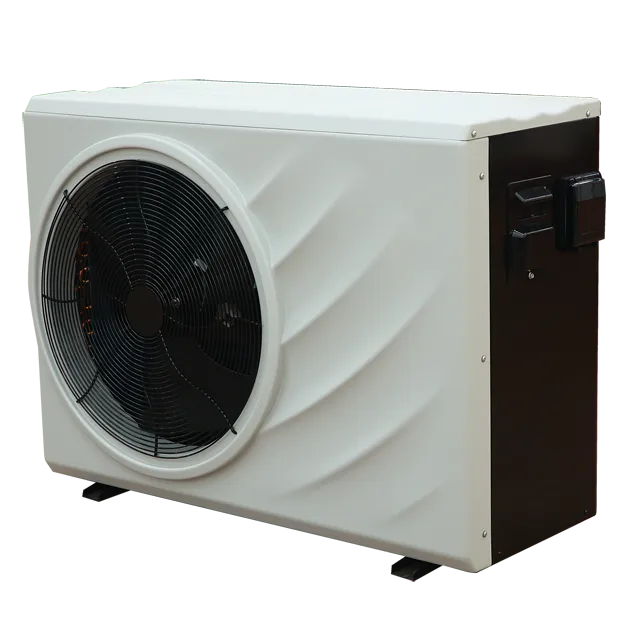
What is a swimming pool heat pump?
A swimming pool heat pump is a device that uses heat in the air to heat the water in the swimming pool. Unlike traditional electric heaters or gas heaters, swimming pool heat pumps absorb heat from the surrounding air and transfer it to the swimming pool water through the heat pump principle (using components such as compressors, evaporators and condensers). Pool heat pumps can not only keep the water temperature in the summer, but also effectively heat the water temperature in the winter or cold weather, providing a stable and comfortable pool environment.
According to different technologies and control methods, pool heat pumps can be divided into non-inverter pool heat pumps and inverter swimming pool heat pumps. The main differences between the two are the control method of the compressor, energy efficiency performance, system stability and service life.
What is a non-inverter pool heat pump?
Non-inverter pool heat pumps usually use traditional fixed-speed compressor control. That is, the speed of the compressor is fixed, and the equipment runs at the same speed regardless of changes in the external environment. When the heat pump starts, the compressor will run at full speed until the set water temperature is reached. If the temperature demand changes, the compressor will stop or restart.
Working principle
The working principle of non-inverter pool heat pump is relatively simple. The system extracts heat from the air through the circulation of the compressor and refrigerant, and then transfers the heat to the pool water. The operation mode of this device is to control the start and stop of the compressor through the switch to adjust the water temperature of the pool. Because its compressor speed is fixed, its operation efficiency is not high, and unnecessary energy is often wasted.
Energy efficiency performance
Non-Inverter pool heat pump has low energy efficiency, especially when the ambient temperature changes greatly. Because the compressor speed is fixed, it cannot be dynamically adjusted according to the changes in the pool water temperature and the external environment, which may cause the system to overwork in many cases, resulting in energy waste. For example, in warm weather, the compressor still runs at a high speed, and such a strong heating capacity is not needed at this time, resulting in electricity waste.
Maintenance and service life
Due to the fixed speed operation of the compressor, Non-Inverter pool heat pumps often experience frequent start-up and shutdown operations, which increases the mechanical burden of the equipment and has a negative impact on the life of the equipment. Long-term and frequent on and off operations may cause the equipment to wear out faster, thereby increasing the frequency and cost of maintenance.
Noise and comfort
Another disadvantage of Non-Inverter pool heat pumps is that they are noisy. Since the compressor needs to run at full speed, the system will generate a lot of noise during the heating process, which will affect the user's comfort to a certain extent.
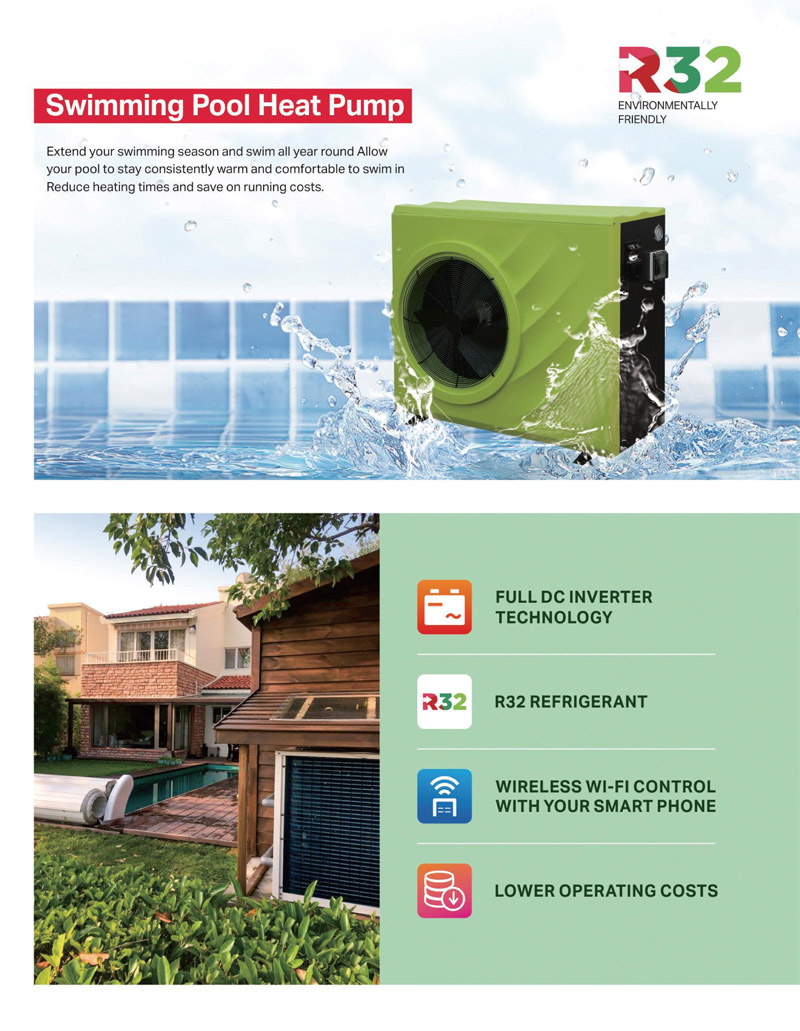
What is an Inverter Pool Heat Pump?
Compared with Non-Inverter pool heat pump, Inverter Pool Heat Pump adopts variable frequency control technology. Variable frequency technology can flexibly adjust the operating power of the heat pump according to actual needs by adjusting the speed of the compressor. This makes the inverter pool heat pump have excellent performance in all aspects, especially in energy efficiency, stability and noise control.
Working principle
The inverter pool heat pump uses DC variable frequency technology to adjust the speed of the compressor. When the system starts, the compressor will intelligently adjust the speed according to the requirements of the ambient temperature and the pool water temperature. For example, when the outside temperature is high and the pool water temperature is close to the set temperature, the compressor will reduce the speed to maintain the stability of the water temperature. When the outside temperature is low or the pool water temperature is low, the compressor will speed up to improve the heating efficiency. This intelligent adjustment enables the inverter swimming pool heat pump to accurately control the operation according to the needs, avoiding unnecessary energy waste.
Energy efficiency performance
One of the biggest advantages of the inverter pool heat pump is its excellent energy efficiency ratio (COP). Because it can adjust the speed of the compressor according to actual demand, the inverter pool heat pump is usually more energy-efficient when running at a lower load, which can maximize energy efficiency. In addition, the frequency conversion technology allows the equipment to achieve stable operation for a longer time without frequent starting and stopping, which greatly reduces the total energy consumption of the system.
According to some studies and user feedback, the energy efficiency ratio of the inverter pool heat pump is usually more than 30% higher than that of the non-inverter pool heat pump, which means that users can save a lot of energy costs in the long run.
Maintenance and service life
Due to the intelligent regulation of the compressor, the inverter pool heat pump does not need to start and stop frequently, so the mechanical burden of the equipment is less. This makes the inverter pool heat pump usually have a longer service life. The low-load operation of the compressor can also reduce the wear of the equipment and reduce the need for maintenance and replacement of parts.
Noise and comfort
The noise of the inverter pool heat pump is much lower than that of the non-inverter pool heat pump. Because the speed of its compressor can be adjusted according to actual demand, the speed of the compressor is lower when high-power heating is not required, which greatly reduces the noise of the equipment. For some users who are sensitive to noise, the inverter pool heat pump is undoubtedly a more suitable choice.
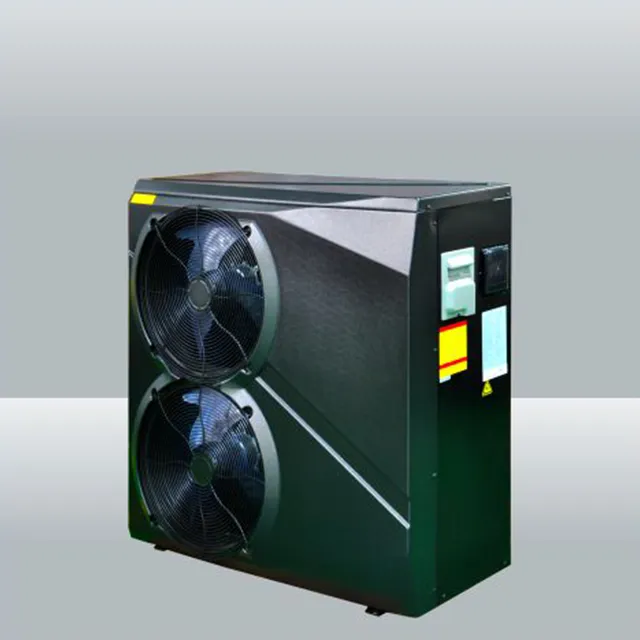
Non-inverter vs. inverter pool heat pump: Which is better?
Energy saving and economy
● Non-Inverter pool heat pump: Although the initial purchase price is low, due to the low operating efficiency, long-term use will result in higher electricity costs. Especially in an environment with large temperature changes, the operating efficiency of the non-inverter swimming pool heat pump is even lower, resulting in serious energy waste.
● Inverter pool heat pump: It has significant energy-saving advantages, especially when long-term and stable heating is required. By intelligently controlling the compressor speed, the inverter swimming pool heat pump can minimize energy consumption, and the economic advantages in long-term operation are very obvious.
Comfort and noise control
● Non-Inverter pool heat pump: Due to the fixed speed operation of its compressor, it is often accompanied by a large noise. This has a great impact on the comfort of the user, especially in a quiet swimming pool environment, the noise may seriously affect the user experience.
● Inverter pool heat pump: It has better noise control capabilities. Since the compressor speed is adjustable, the Inverter swimming pool heat pump can adjust the operating speed according to the load demand, avoid excessive noise pollution, and provide users with a quieter and more comfortable swimming pool experience.
Maintenance and service life
● Non-Inverter pool heat pump: The frequent start and stop of the compressor increases the loss of the equipment, which affects the service life of the equipment and may increase the cost of maintenance and repair.
● Inverter pool heat pump: Due to the variable speed control of the compressor, the equipment does not need to start or stop frequently, so it has less wear and tear and usually has a longer service life, reducing the cost of long-term maintenance and repair.
Adaptability and environmental friendliness
● Non-Inverter pool heat pump: In an environment with extreme temperature changes, the efficiency of non-inverter swimming pool heat pumps is usually low, and they cannot respond quickly to environmental changes, which may lead to excessive power consumption.
● Inverter pool heat pump: Due to the application of frequency conversion technology, the Inverter swimming pool heat pump can better adapt to environmental changes, especially in areas with large temperature fluctuations. Frequency conversion technology enables the equipment to flexibly adjust the operating speed, thereby improving adaptability and work efficiency. In addition, the environmental performance of Inverter swimming pool heat pump is more prominent, because its higher energy efficiency means less energy consumption, thus reducing carbon emissions and helping to protect the environment.
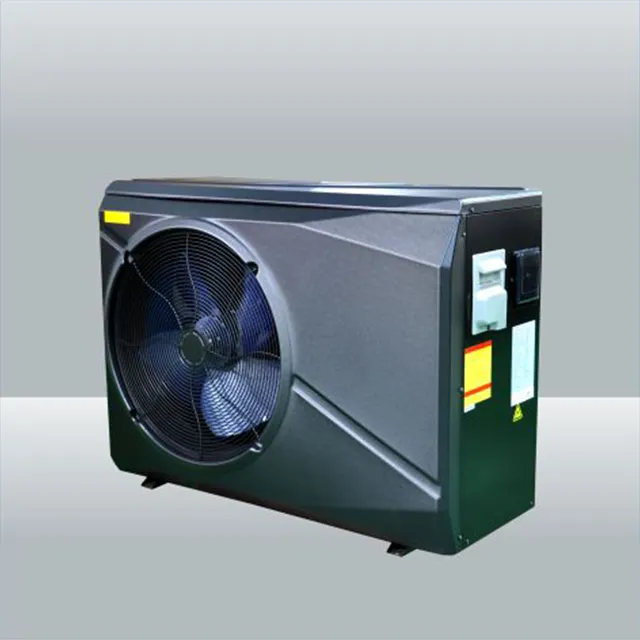
How to choose a suitable swimming pool heat pump?
Choosing a suitable swimming pool heat pump requires comprehensive consideration of multiple factors, including budget, energy efficiency, operating noise, frequency of swimming pool use, etc. Here are a few key considerations to help consumers choose between Inverter swimming pool heat pump and non-inverter swimming pool heat pump:
1. Budget and initial cost
If the budget is tight, Non-Inverter pool heat pump is usually cheaper in the initial purchase cost, suitable for consumers who do not plan to make long-term investments in the short term. However, it should be noted that non-inverter swimming pool heat pumps will lead to higher electricity bills and maintenance costs in long-term use, so in the long run, its cost-effectiveness is not high.
Inverter swimming pool heat pump has a higher initial investment, but its energy saving and low maintenance costs can achieve savings over a longer period of use, suitable for long-term use or users who have higher requirements for swimming pool comfort.
2. Energy efficiency and long-term savings
For consumers who want to save long-term operating costs, the Inverter Pool Heat Pump is obviously a more ideal choice. With its high energy efficiency ratio (COP), the Inverter swimming pool heat pump can provide stable pool heating effects at low energy consumption, which can effectively reduce energy costs in the long run. Especially when the temperature changes greatly in most areas, the frequency conversion technology enables the system to automatically adjust the operation mode to avoid overheating and energy waste.
3. Noise control and comfort
If you are very sensitive to the noise of the swimming pool, especially in the case of home use, choosing the Inverter Swimming Pool Heat Pump will bring a better comfort experience. The compressor speed of the Inverter swimming pool heat pump can be adjusted according to actual needs. The system runs at a low load and does not produce excessive noise pollution. The non-variable swimming pool heat pump has a high noise because the compressor needs to run at full speed, which may affect the quiet environment around the swimming pool.
4. Climate and environmental factors
In areas with drastic climate changes, the advantages of the Inverter swimming pool heat pump are more obvious. Because frequency conversion technology can flexibly adjust the working speed of the compressor, the equipment can better cope with changes in ambient temperature, maintain a stable water temperature, and avoid unnecessary power consumption. Non-frequency conversion swimming pool heat pumps are often less efficient when the temperature fluctuates greatly, resulting in unnecessary energy waste.
5. Maintenance and service life
If you want to reduce the repair and maintenance costs of the equipment, an inverter swimming pool heat pump is usually a better choice. Due to its flexible adjustment of the compressor speed, the inverter swimming pool heat pump has less burden, longer service life, lower equipment loss, and less overall maintenance cost. However, due to the frequent start and stop of the compressor, non-frequency conversion swimming pool heat pumps may cause increased equipment wear, higher maintenance frequency and cost.
